Canadians are great at inventing things. We’re even better at not bragging about them. Yes, Canadian inventions have changed the world in many ways, yet most people have no idea that these came from our quiet corner of the world
Here are ten Canadian inventions that changed the world. Which one have you used this week?
The square-drive screwdriver

Anyone who has ever built a shelf without stripping a screw has Peter Robertson to thank. He was born in Ontario, and in 1909, he invented the square-drive screwdriver, one that practically stops screwdrivers from slipping out.
Factories loved it, and Ford wanted it. But Robertson didn’t sell it, although his invention later went on to change toolboxes across the world.
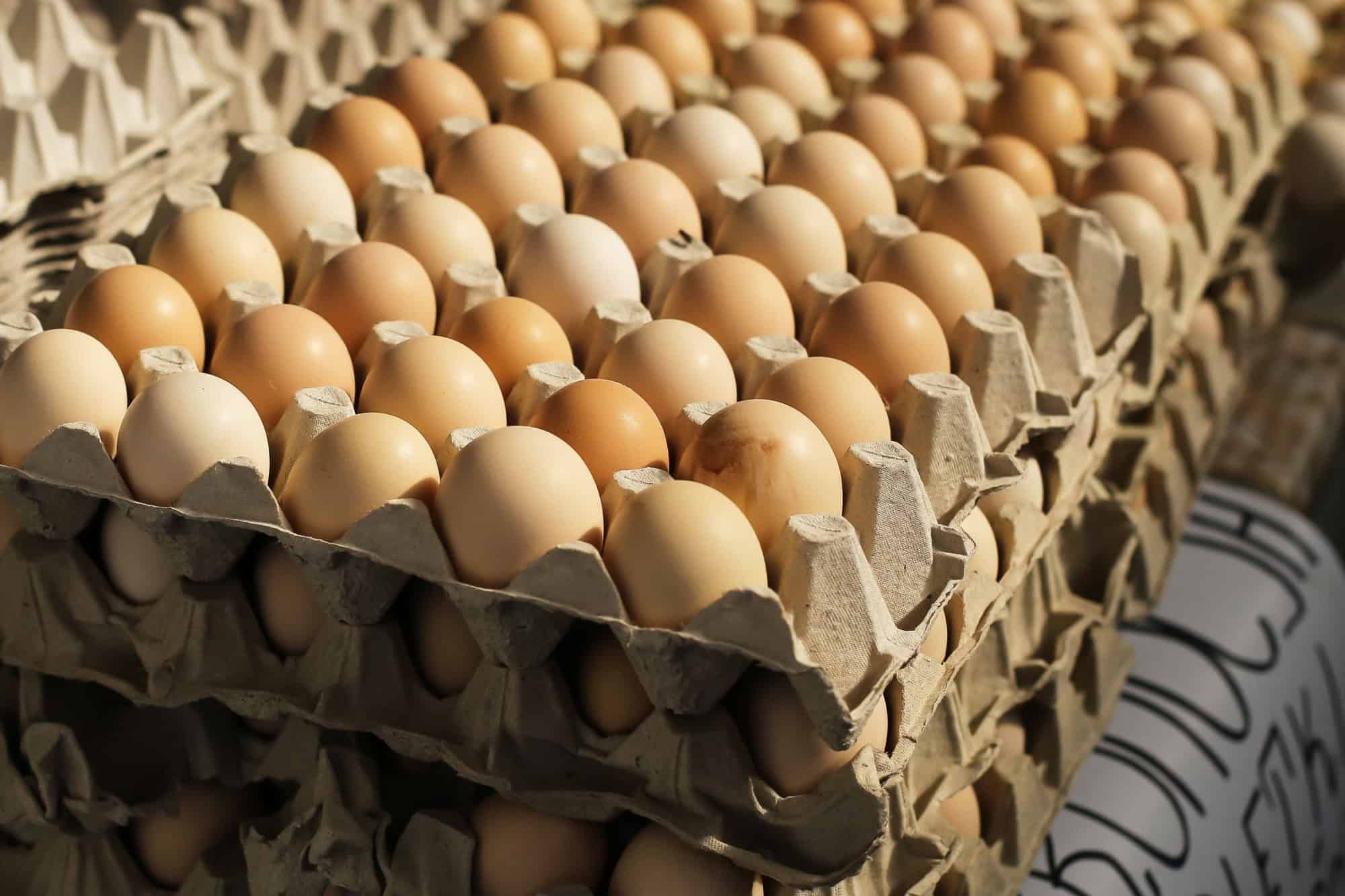
The egg carton

There was a time when grocery stores packed eggs loose in baskets. They broke constantly.
Then, a local British Columbia man named Joseph Coyle decided to fix the problem by creating folded paperboard with neat little slots. His 1911 design soon became the cardboard egg carton that people use worldwide.
The walkie-talkie
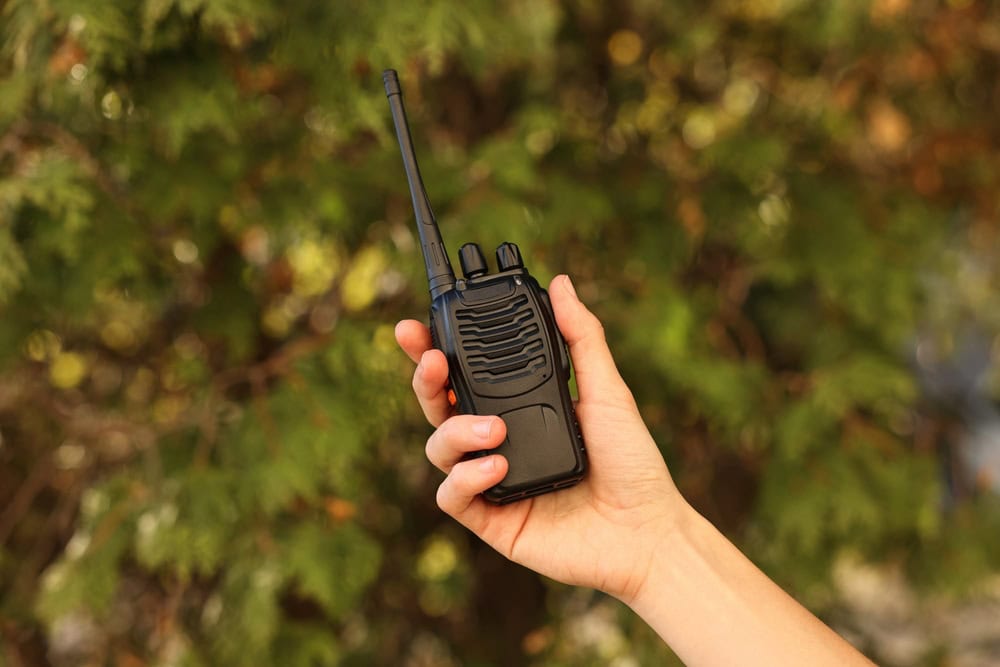
Donald Hings was a Calgary engineer who was responsible for a device that allowed people to talk across long distances without a wire. No, it wasn’t a cellphone. It was the walkie-talkie.
He invented it in 1937 and called it a “packset,” which the military picked up during the war. The world followed shortly after, and many early mobile radios owe their existence to Hings.
The modern alkaline battery

A Canadian was the engineer who came up with the long-lasting batteries that we use in so many products today. His name was Lewis Urry, and he worked for Eveready in the 1950s.
Urry discovered a way to make batteries last far longer by using alkaline instead of acid. You can even see his first model in the Smithsonian today.
The G-suit for pilots

Dr. Wilbur Franks was a professor and medical researcher at the University of Toronto who was sick of hearing stories about pilots blacking out during dives. His answer? The G-Suit.
It was a strange, water-filled suit that helped to support pilots’ bodies when they’re under pressure. Every fighter pilot and astronaut since then has worn a version of Franks’s suit.
The truck-mounted snowblower
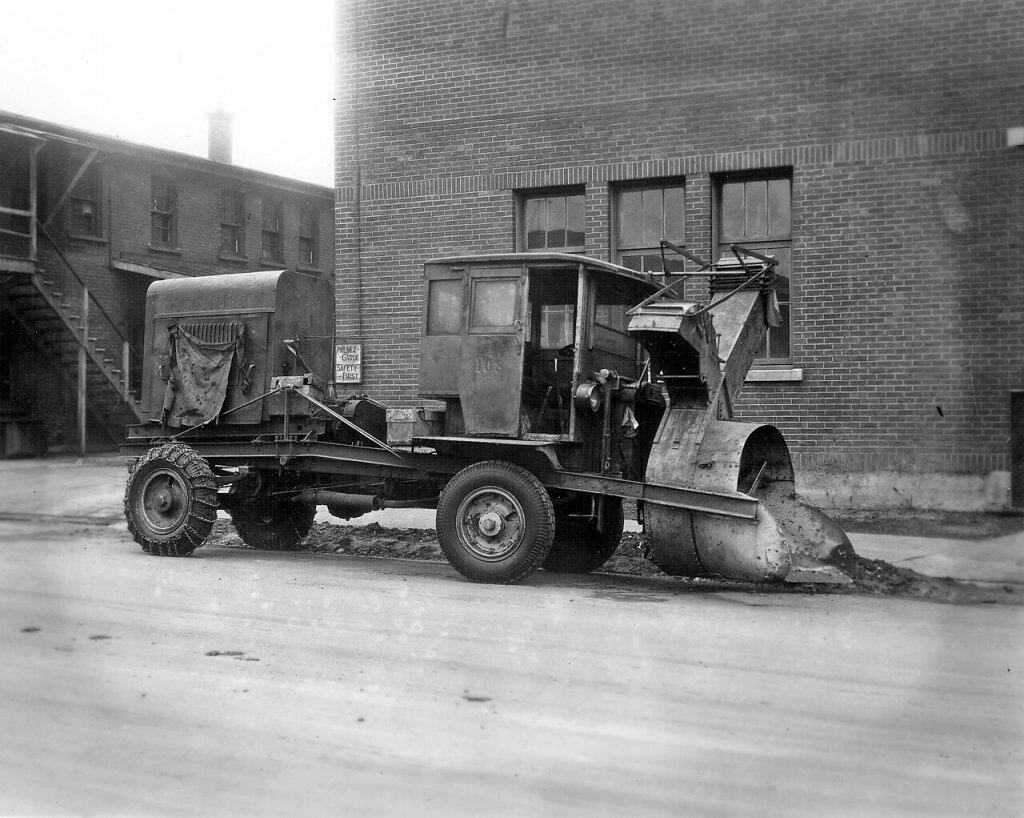
Anyone who has experienced a Montreal winter knows that it can break a person. But Arthur Sicard decided that it didn’t have to. In 1925, he invented the truck-mounted snowblower by attaching a snow-munching chute to a truck.
His invention made it far easier to clear whole streets, since people didn’t need to do endless shoveling. Cities soon lined up to purchase the machine and the first customer was Outremont.
The paint roller

Yes, brushes are fine for painting trim, but not so much for walls. That’s where Norman Breakey came in. He invented the paint roller by covering up a roller with fabric and soaking it in paint, putting an end to slow and streaky paint jobs.
DIYers all across the world have been rolling with Breakey’s invention ever since.
Pablum infant cereal

A team at Toronto’s SickKids Hospital created something absolutely incredible during the 1930s. They invented a cereal called Pablum. It was easy to digest and vitamin-rich.
Parents loved it because it helped reduce the number of children with rickets, and the invention also funded decades of child health research with the royalties earned from Pablum.
North America’s first electron microscope
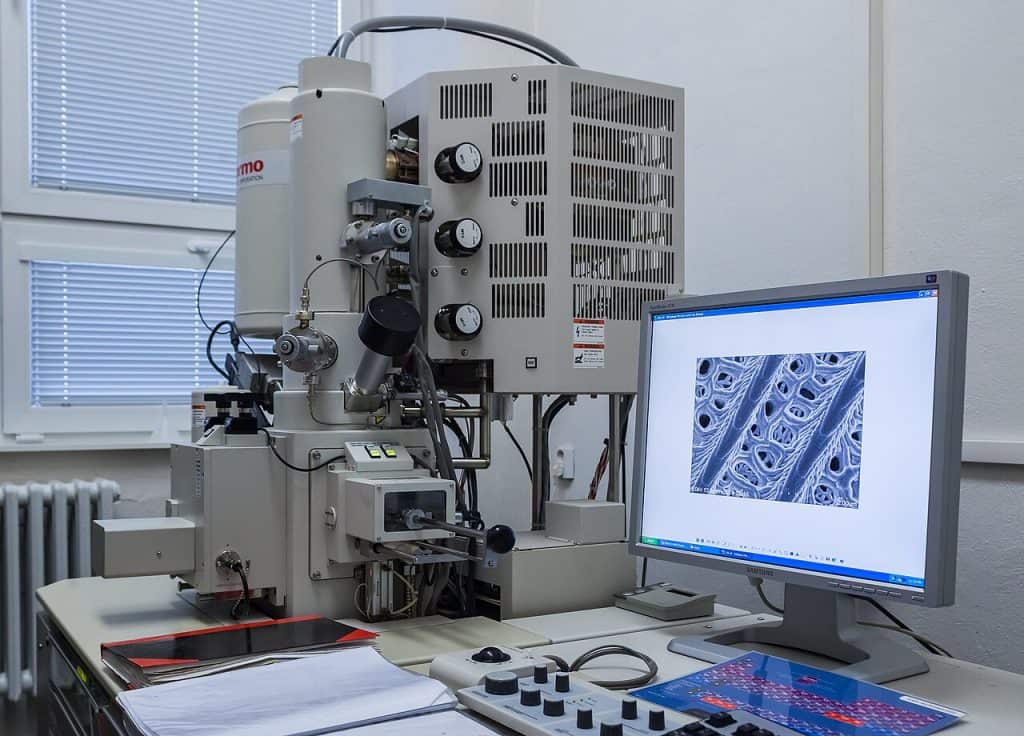
James Hillier and Albert Prebus were two graduate students at the University of Toronto who built North America’s first electron microscope. They did so way back in 1938.
Their invention could zoom in far beyond what light microscopes could ever achieve, giving scientists a whole new way to look at tiny cells.
Standard time zones advocacy

Every town used to keep its own time in the days before time zones existed, so noon in one town could be 11:47 in another town just a few miles down the road. Rail schedules, among other things, were a nightmare.
Then came Sir Sandford Fleming. He created the idea of having 24 global time zones during the 1880s, and his system has stuck around to this day.
Sources: Please see here for a complete listing of all sources that were consulted in the preparation of this article.
10 Canadian food inventions that changed the way the entire world eats without ever getting the recognition
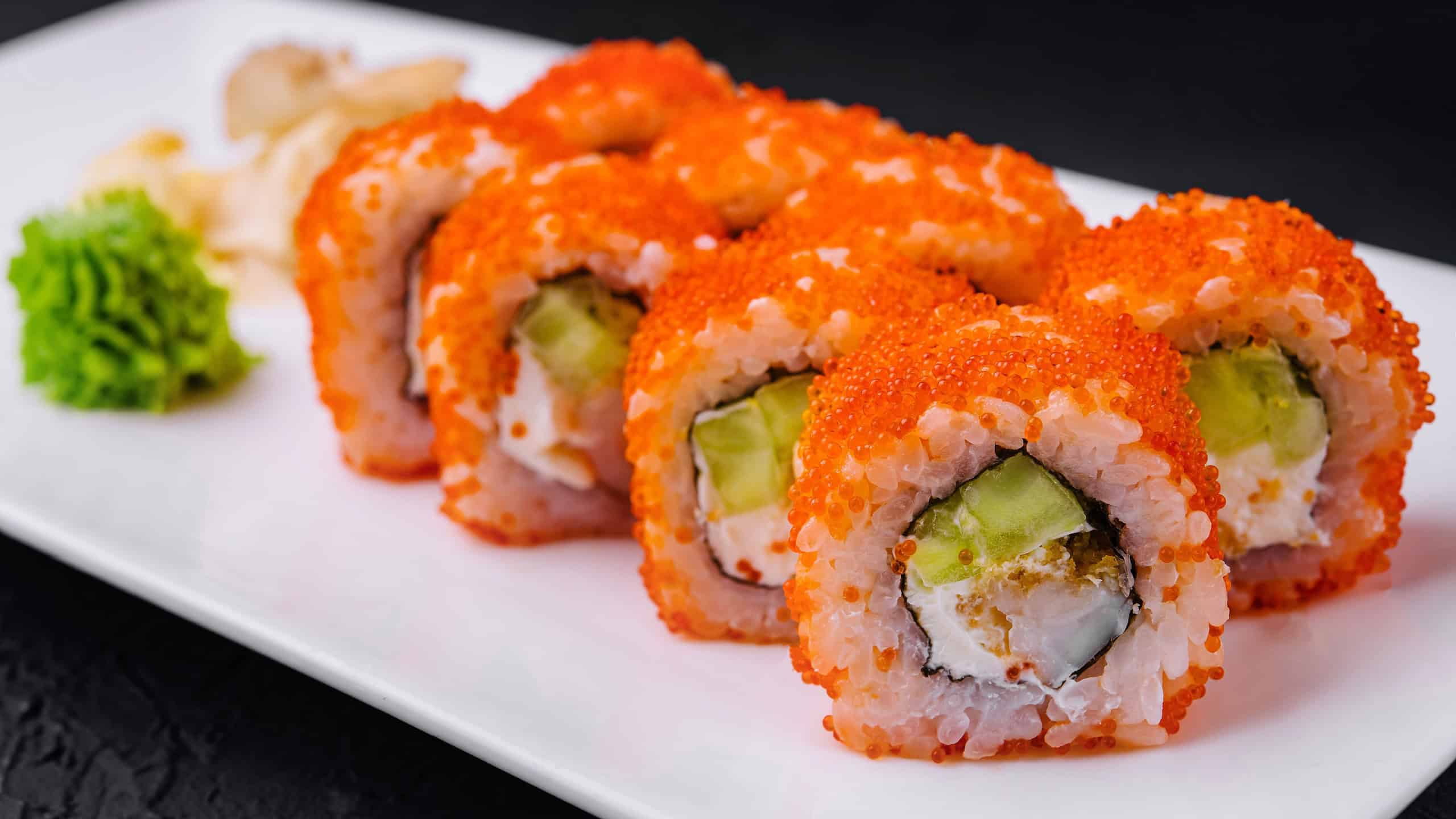
Canada quietly introduced some of the greatest foods in history, and most people probably have no clue they came from Canada.
10 Canadian food inventions that changed the way the entire world eats without ever getting the recognition