Canada’s known for hockey, poutine, Tim Hortons & maple syrup. But underneath all that, there’s a different Canada — one that’s weird, funny, surprising & absolutely brilliant. It’s a Canada that doesn’t make the headlines, but still shows up every day in the little things people do.
Here are ten unique Canadian traditions that remain part of daily life. Which ones do you think will still be around in another generation?
The Screech-In ceremony

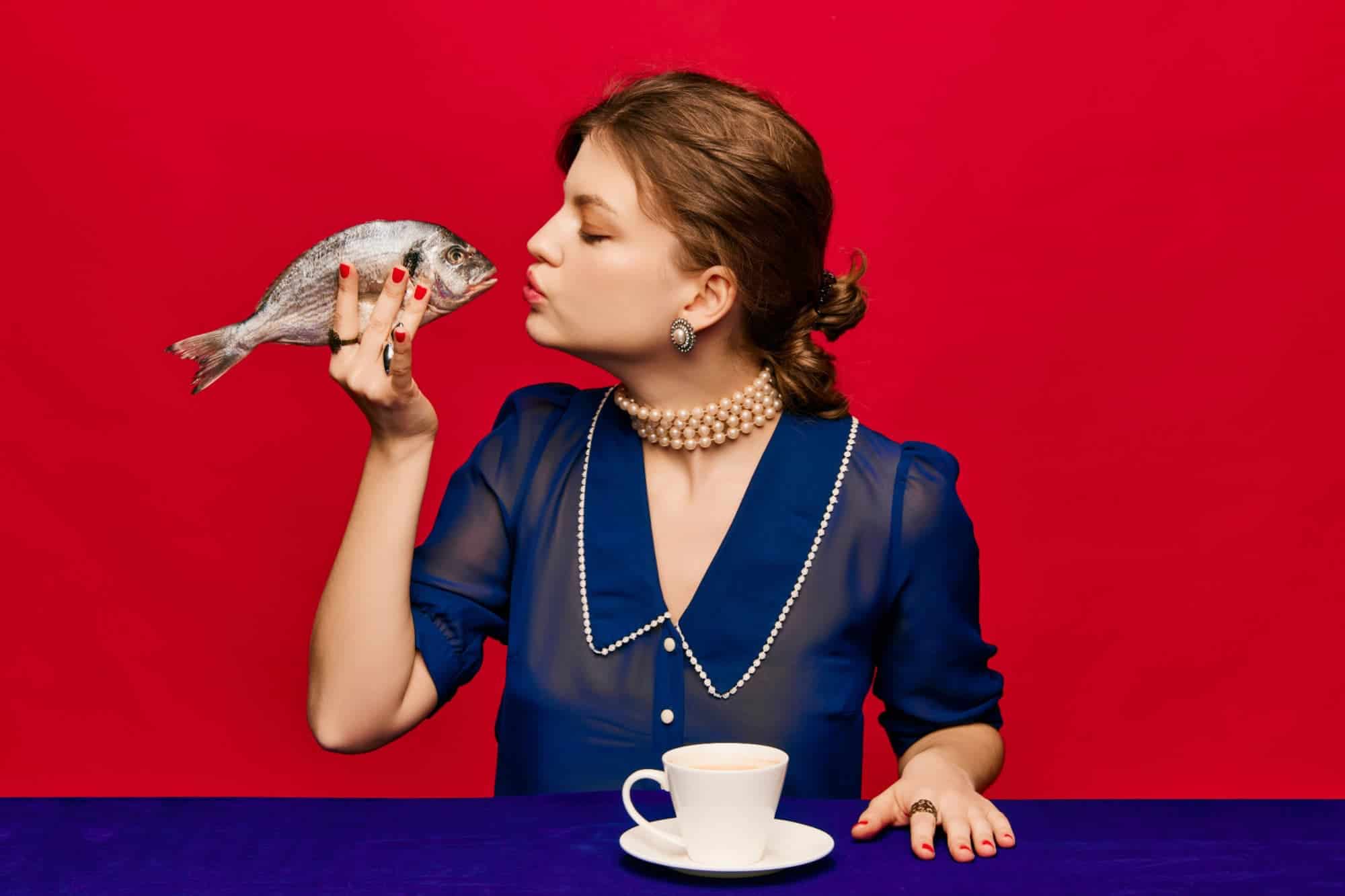
George Street in St. John’s, Newfoundland, may look unremarkable, but each year, it transforms into a place of ceremony, music, & food. During the Screech-In, out-of-town visitors are told to kiss the fish, shoot back a shot of screech, & answer the famous question: “Is ye a Newfoundlander?”
It’s both a party & a rite of passage, and the truth is that this event has become a lasting tradition enjoyed by Canadians & visitors alike.
The Sourtoe Cocktail from Dawson City
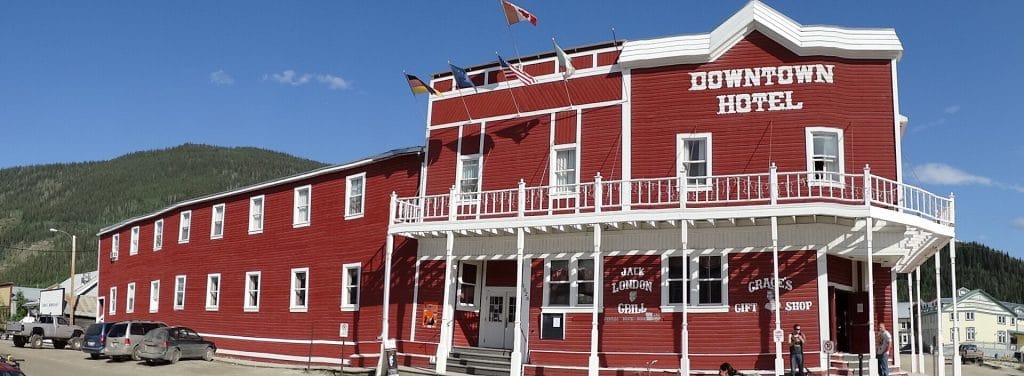
In Dawson City, Yukon,f there’s a drink called the Sourtoe Cocktail. It features a real, preserved human toe dropped into a glass of whiskey. To finish the drink, you have to let the toe touch your lips & say the famous line: “You can drink it fast, you can drink it slow, but your foot must touch the toe.”
It all began in 1973 & has continued ever since. To date, more than 100,000 people have taken part in this peculiar tradition.
The International Outhouse Race

Yes, they’re real. In this race, people sprint down the street while hauling miniature outhouse replicas on wheels, desperate to outpace everyone else. It goes without saying that April 1 is a big day (more on that later).
In Ontario, near Aurora, there’s a smaller, more old-fashioned version of the race, too, complete with classic outhouses on wheels.
The Nanaimo Bathtub Race
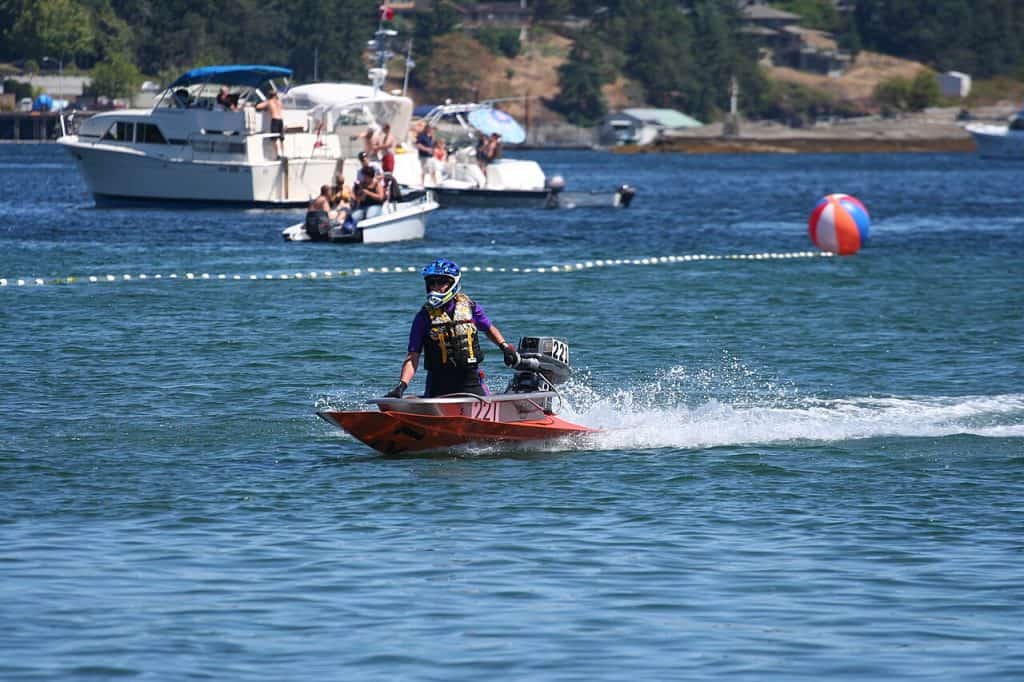
It started in 1967, and since then, every July, crowds have gathered to watch racers in motorized bathtubs screaming across the Nanaimo harbor, all while bouncing over the waves.
This long-running tradition is held in Nanaimo, and some of the bathtubs are impressively well-built, with powerful motors & even full steering systems. It all serves as a great reminder of how Canadians can turn just about anything into a competition.
The first day of wearing snowsuits to school

Many Canadians will have experienced it. As a child, you’d walk out of the door on your first morning at school, winter snowsuit already on. It was a rite of passage, especially in colder parts of the country.
Today, kids still wear them, and many Canadian schools even celebrate it as a moment that marks the start of a new school year. It’s a little ritual that quietly reflects Canada’s winter traditions.
Mummering in Newfoundland
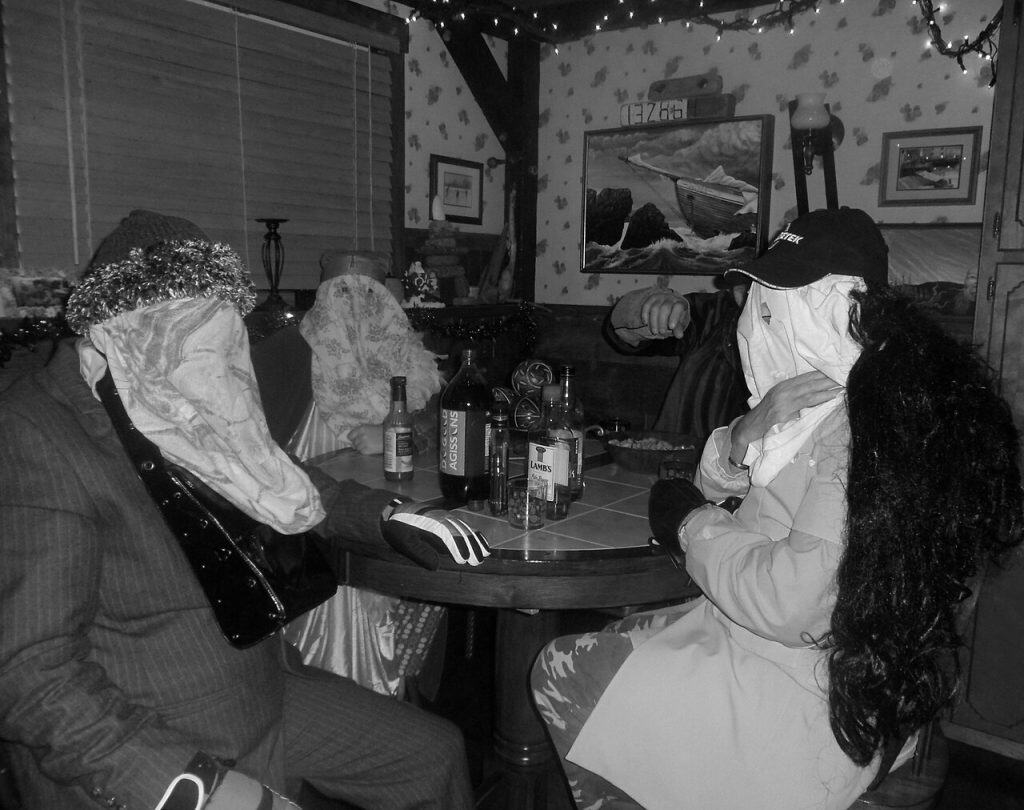
Mummering is part of life in Newfoundland, where people dress up in old, odd clothes & go door to door. They often sing, dance, & joke around, waiting for neighbors to figure out who’s who — cos it’s supposed to be a mystery.
However, the twist is that if a mummer is found out, the host gets to tell them to stop, while the mummers keep going until they’re caught. A beloved Christmas-time tradition, it carries a long & proud history.
Polar Bear Dip on New Year’s Day

On January 1, many Canadians jump into freezing water as part of the polar bear dip. It’s a tradition that’s full of daredevils, and the rule is simple: jump in, scream, climb out, & grab a towel.
Today, the event is held all over Canada, and it’s especially popular in Vancouver, Halifax, & Toronto.
The annual Frog Festival in St-Pierre-Jolys

This festival is all about frogs. Each year, the small town in Manitoba holds a frog jumping contest & a series of frog races. And yes, there’s a frog beauty pageant, too, where a real frog would be crowned with a title.
The frog is even on the town’s flag, as it represents how much frogs share a part in the daily lives of the people who live there & in the history of the town.
The Hair Freezing Contest in Yukon

If anywhere had to hold a hair freezing contest, it would be the Yukon. It’s a very Canadian tradition that people sometimes visit any time — unless they’d rather shell out to make their way up to this hair-raising event.
The contest is hosted by Takhini Hot Springs, and people dip their heads into the warm water before making their hair freeze into wild shapes in the cold air.
The Tintamarre on Acadian Day

The Tintamarre is held every August 15, and it starts with people blowing air horns, banging pots, & clanging spoons as a way of celebrating their Acadian heritage.
If you join in, make sure you wave the flag & raise a ton of noise, as this is a tradition that continues to be part of Acadia’s daily life.
Sources: Please see here for a complete listing of all sources that were consulted in the preparation of this article.
These 10 Canadian traditions won’t survive another generation

Technology, skyrocketing prices and global climate change are causing a number of Canadian traditions to fade away, never to return with future generations.
These 10 Canadian traditions won’t survive another generation