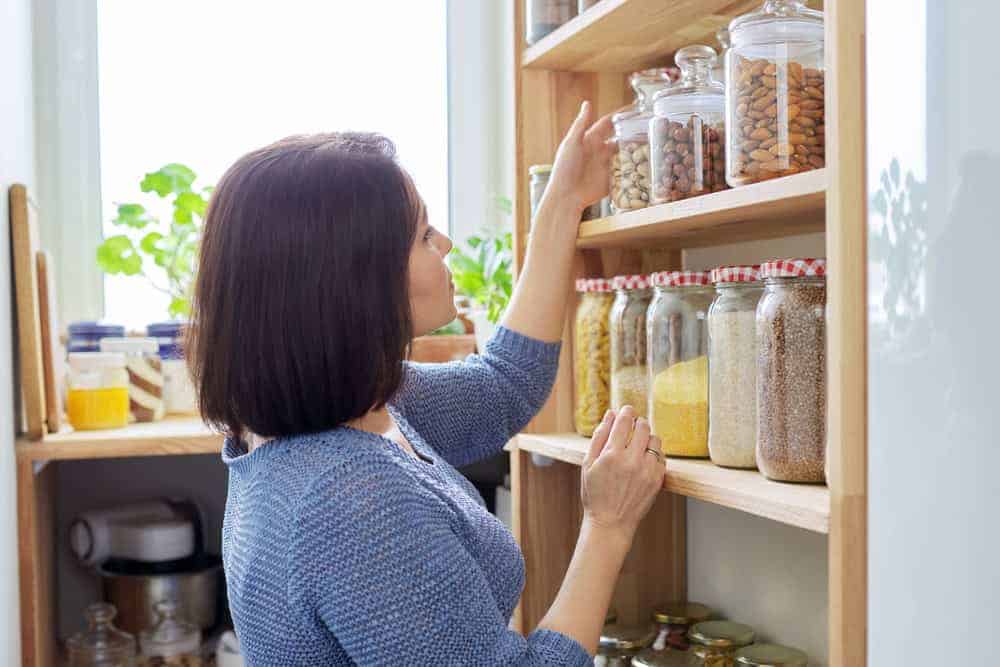
People who grew up poor usually keep these 9 things in their homes

People who grew up with very little often have homes filled with everyday items they find difficult to throw away.

Empty containers
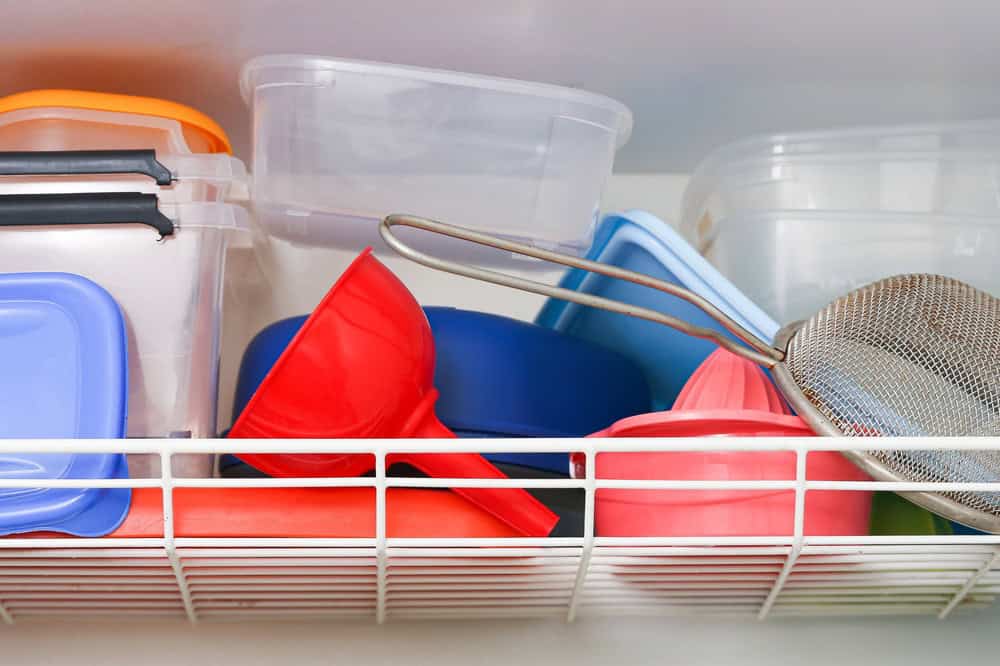
Dish drying rack above sink closeup. Plastic containers and lids drying. Kitchen organizer detail. Clean tableware after washing. Home dishwashing routine. Household cleaning process
Image Credit: Shutterstock.
Look in the kitchen cupboards of someone raised in poverty, and you will probably find stacks of empty jars, plastic tubs and food containers. They may keep spices in an empty jam jar, or store leftovers in a margarine tub in the fridge. Many people raised poor knew better than to buy something new when they already had a container that would work. They might even wash out containers they receive takeout food in.

Eventually they end up with more storage containers than they know what to do with, until they have a whole cupboard just for them. And even if they have an overabundance of containers to store food in, it can still feel wasteful to throw out a good jar or tub.

Old clothes
Folded laundry stack at home. Clean clothes sorted by color. Cotton fabrics and textiles pile. Household chores concept. Soft pastel clothing background. Domestic life organization and tidying scene.
Image Credit: Shutterstock.
Growing up poor, new clothes may have been considered a luxury enjoyed only on special occasions. Perhaps clothes were worn until they fell apart, handed down to younger siblings, or mended when they wore out.

It can make it hard to throw clothes away as an adult. That faded old T-shirt can still be used for working around the house. Those old ripped up jeans are great for gardening or other messy projects.

Some folks keep shirts with holes and stains too, saying they’ll mend them later. They might have drawers full of new clothes but tossing out the old ones seems like a waste when they can still use them somehow.

Plastic bags
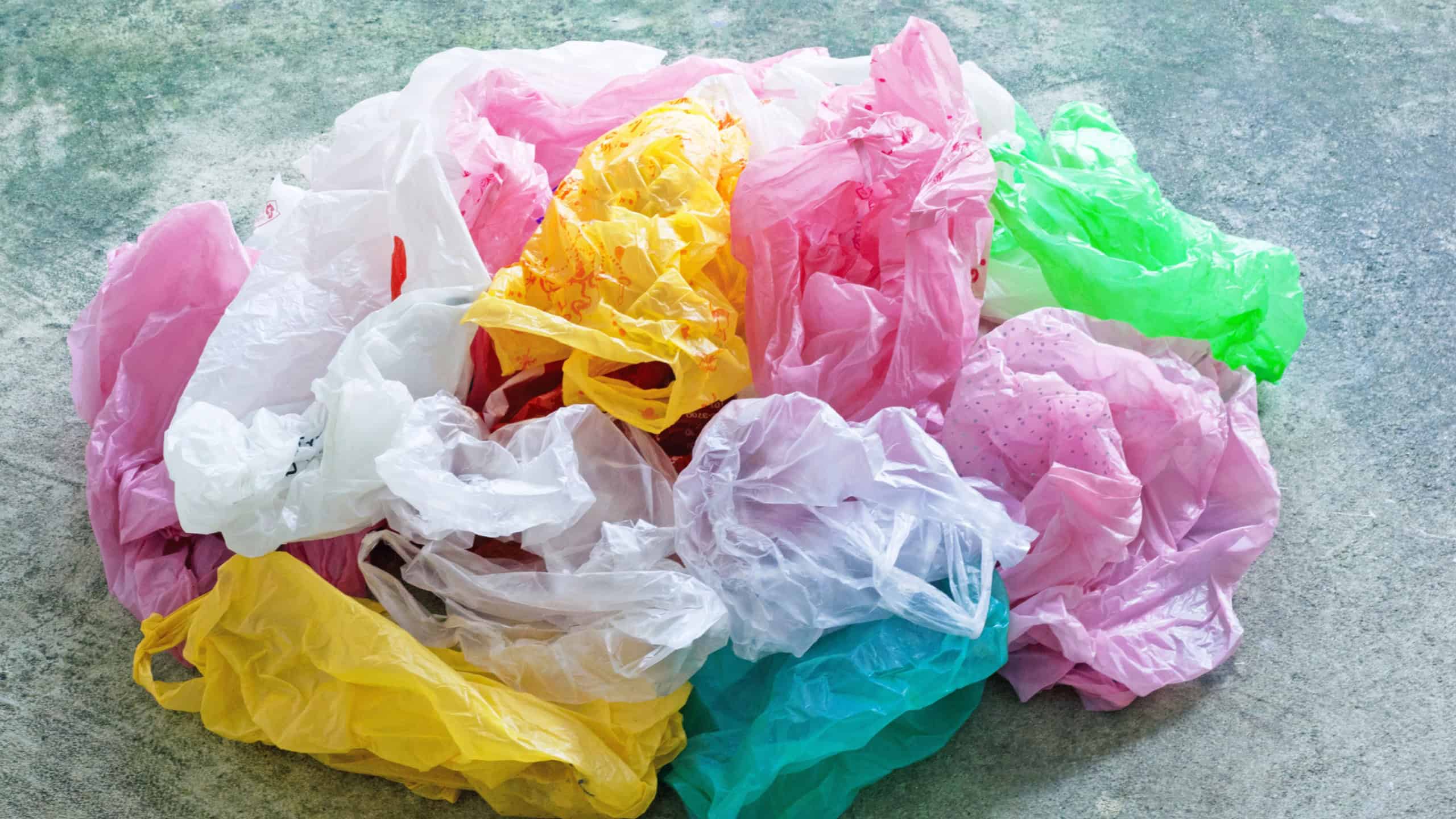
Colorful plastic bags on cement floor background.
Image Credit: Shutterstock.
A lot of people raised by thrifty parents have noticed themselves hoarding every plastic bag that enters their home. Instead of tossing that bag on the ground after unloading groceries, they neatly fold it or stuff it in with dozens of others in a drawer. They can be used for trash can liners, transporting sweaty gym clothes, organizing shoes, or even packing for a weekend trip.

Some people even separate their heavy duty bags from the normal ones, knowing those will hold up longer. Odds are they learned this behavior from their parents or grandparents who reused bags until holes emerged.

Broken appliances
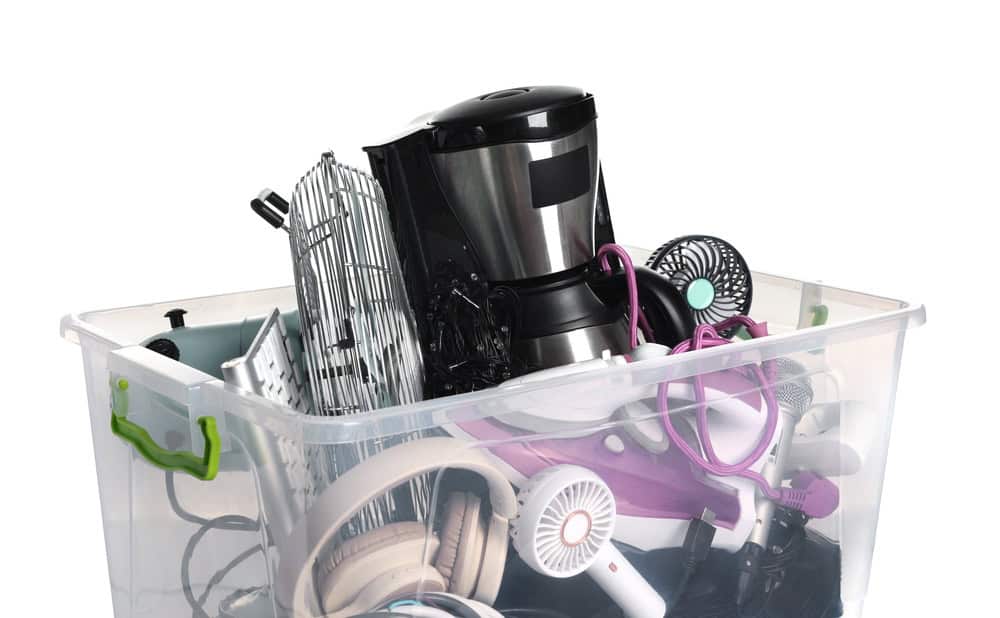
Plastic container with different broken household appliances for recycling isolated on white
Image Credit: Shutterstock.

People who have grown up poor don’t always think of throwing broken appliances out. They may remember seeing their parents fixing things around the house instead of buying new ones because it was too costly or maybe they had an old neighbor or family friend pop over to help with repairs.

These sort of childhood experiences can leave someone thinking that nothing is past fixing if they spend enough time on it. They keep broken appliances in the garage, storeroom or cupboard with the idea that they will fix them one day.

Extra groceries
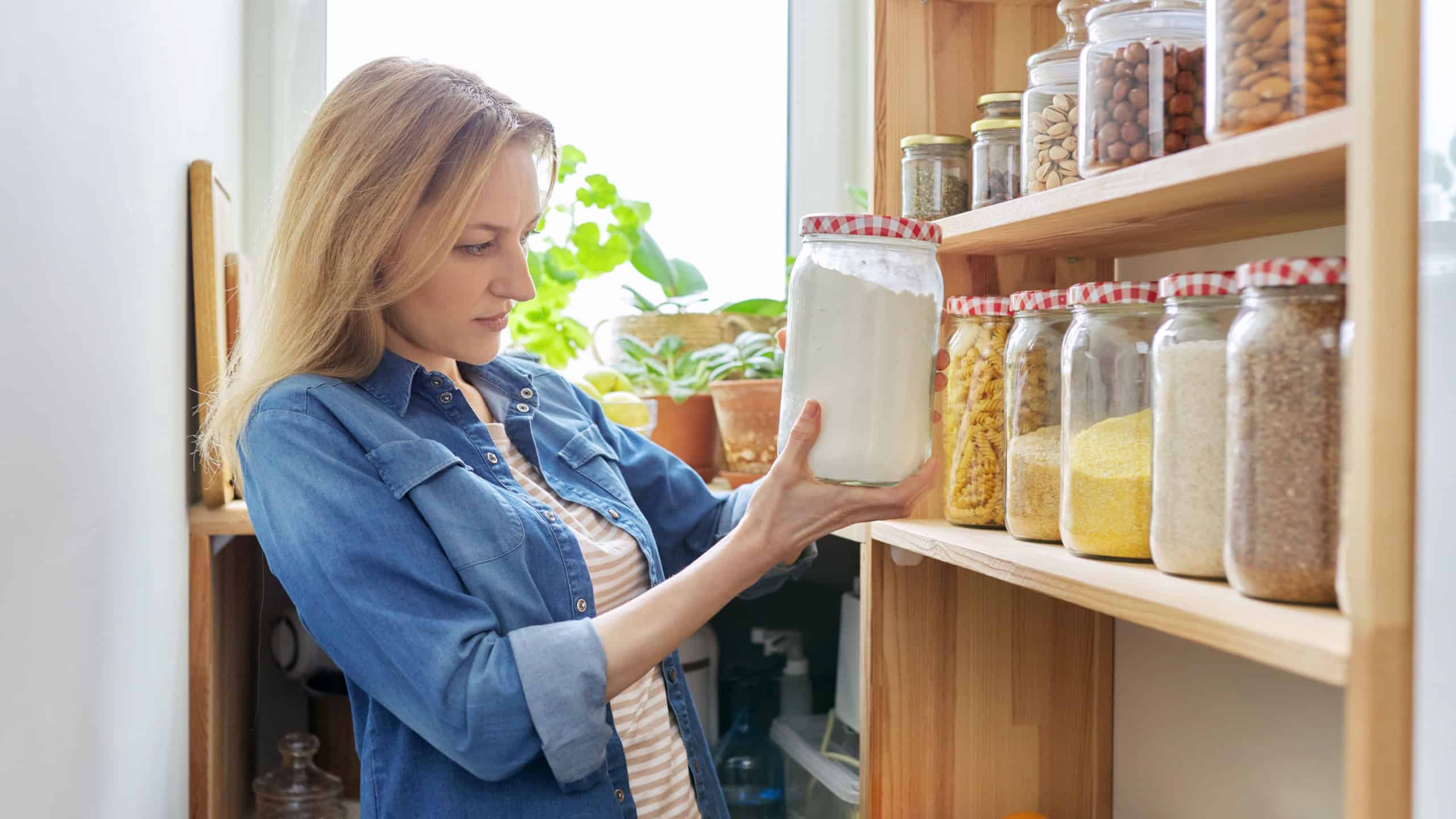
Middle aged woman at home in kitchen in pantry, female looking at food on wooden storage shelves holding jar of flour
Image Credit: Shutterstock.
Having a pantry stocked with extra food can feel comforting to someone who grew up food insecure. Those who lived through food shortages, or saw their parents struggle to buy groceries, may find themselves buying more food than they need at one time.

They buy multiple boxes of pasta, extra jars of peanut butter, or whatever is on sale that week. Others make it a habit to restock before they run out, so they always have two, sometimes three, of each item. They are not necessarily eating more than others. They just like to know that there is food if anything were to happen.

Old furniture
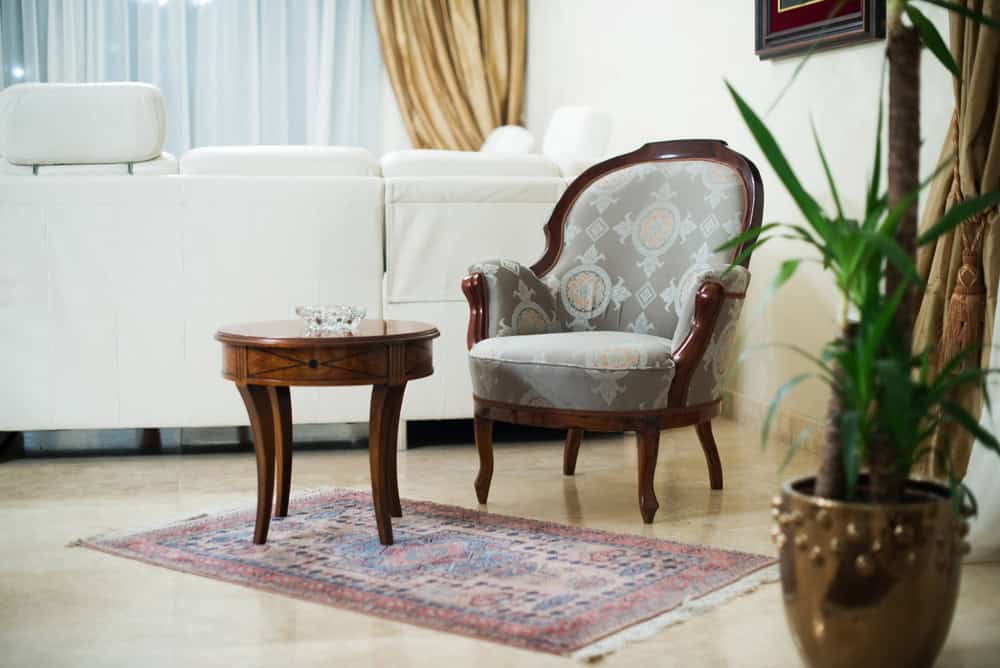
vintage table and armchair
Image Credit: Shutterstock.
Not all people feel compelled to upgrade furniture as soon as it looks old or out of place with the rest of their home. Many who grew up poor had parents who taught them to appreciate furniture that is still sturdy and usable, even if it has scratches, chipped paint, or worn upholstery.

So, they made their old furniture last as long as possible. These beliefs can carry over into adulthood. They might be able to afford a brand new sofa, but they love their old sofa because it’s comfortable and does its job. To them, replacing functional furniture just because it looks shabby seems like throwing their money away.

Leftover toiletries
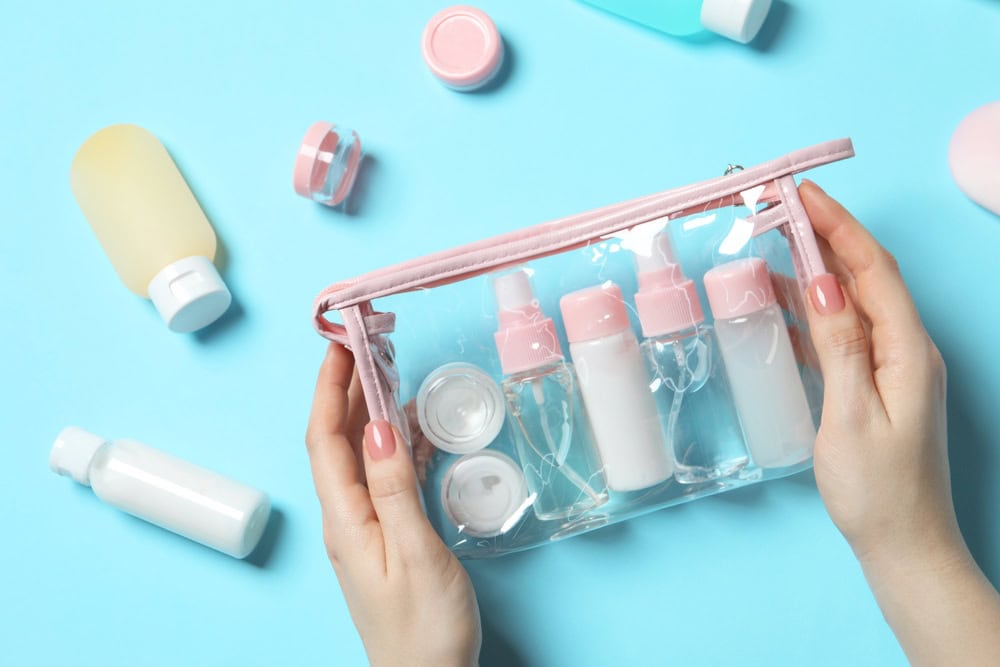
Cosmetic travel kit. Woman with plastic bag and small containers of personal care products on light blue background, top view
Image Credit: Shutterstock.
Stretching household products is something many who grew up poor learned how to do. They may fill an almost empty bottle of shampoo with water to make it last longer. Some will squeeze every last drop out of a toothpaste tube. If they drop a piece of soap and it breaks in two, they might put it in a container to use later instead of throwing it away.

This habit of making things last usually begins at home, in families that couldn’t afford to be lavish with everyday necessities. As adults, those who can afford to buy more may still flip their shampoo bottle upside down to use the last bit. They also might hang on to hotel soaps, tiny lotion bottles, and other toiletries when they’re offered. It really is a hard habit to break.

Packing materials
Pile of Empty Cardboard Boxes After Unpacking or Delivery
Image Credit: Shutterstock.
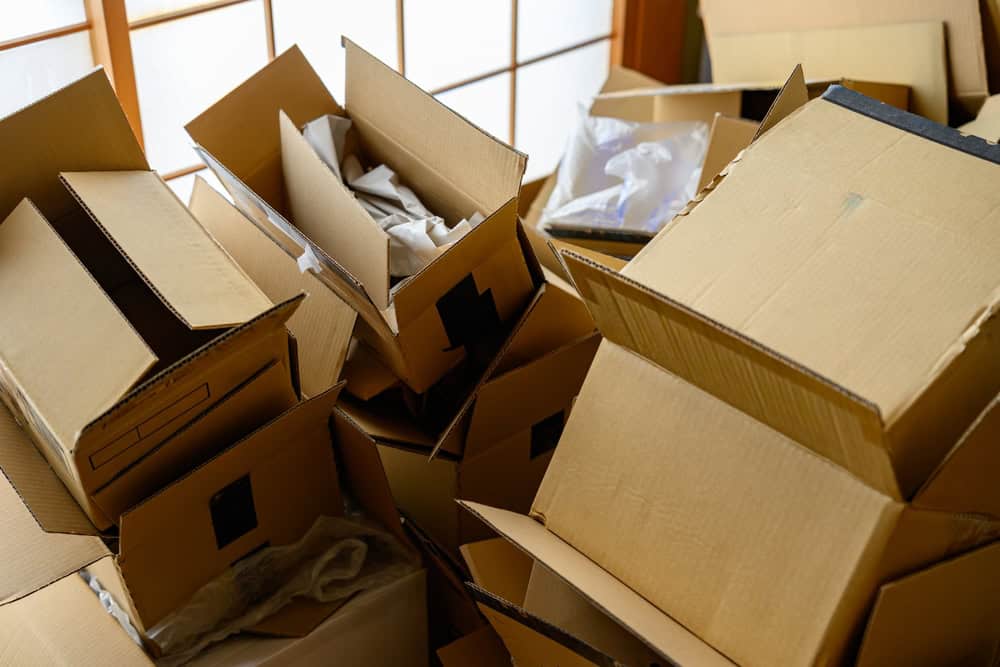
Old cardboard boxes, string, rubber bands, bubble wrap and used wrapping paper have a way of piling up fast in the homes of frugal folks. Growing up poor, they may remember the numerous uses these items had when there wasn’t money for proper supplies. Need a box? Use an old cardboard one to store stuff in. Tie something up? Grab a piece of string. Package something fragile? Bubble wrap.

They might not always use everything they save, but the thought of throwing away something that could be useful someday can be enough to make them keep it.

Emergency cash
Man puts money under his mattress in hotel to keep it safe. Conceptual images of economic crisis and bankruptcy.
Image Credit: Shutterstock.

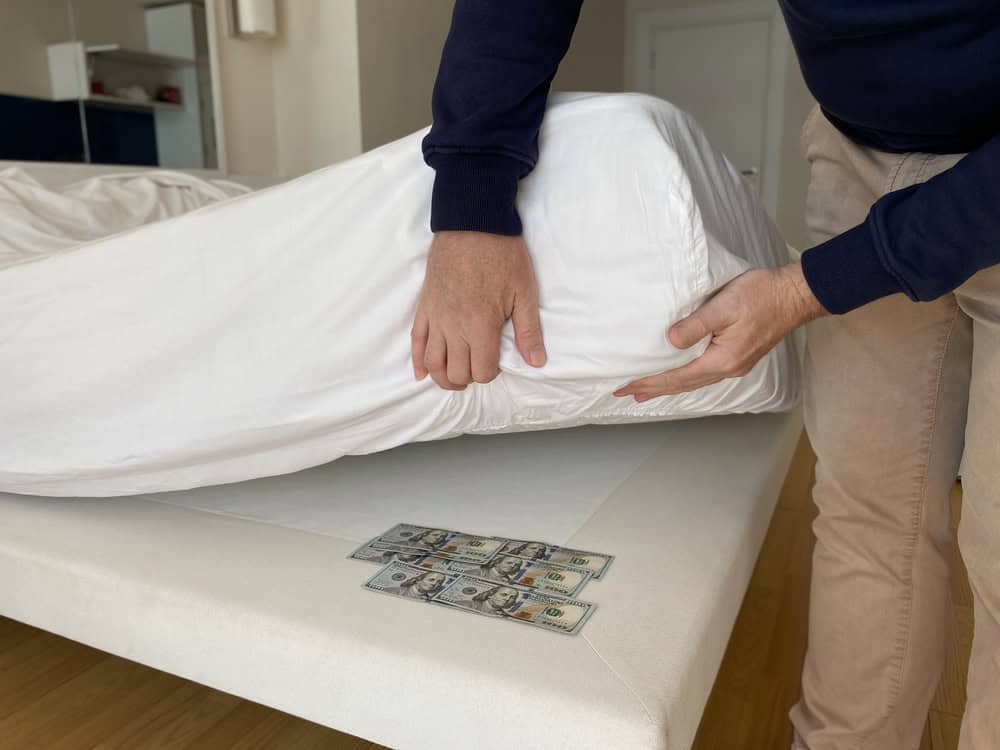
Some people who grew up poor feel more comfortable keeping a little emergency cash somewhere in their homes. It may only be a few dollars stuffed in an envelope, some change in a drawer, or an old purse with a little bit in it. Growing up, there may have been occasions when the family really struggled because of an unforeseen expense. Maybe dad borrowed money to cover the bill, or maybe they couldn’t purchase something until payday.

When someone suffers this kind of childhood, being financially secure can mean a lot more. Even if they are making good money and have lots in the bank, it’s nice to know they have a little cash on hand, too.

Like our content? Be sure to follow us.

Ten habits that give away someone grew up in a poor household
an elderly woman in old age with emotions of stress holds small euro coins in her palm next to a mountain of the same coins with a wallet,a piggy bank bag.concept of poverty,money crisis,small pension
Image Credit: Shutterstock.

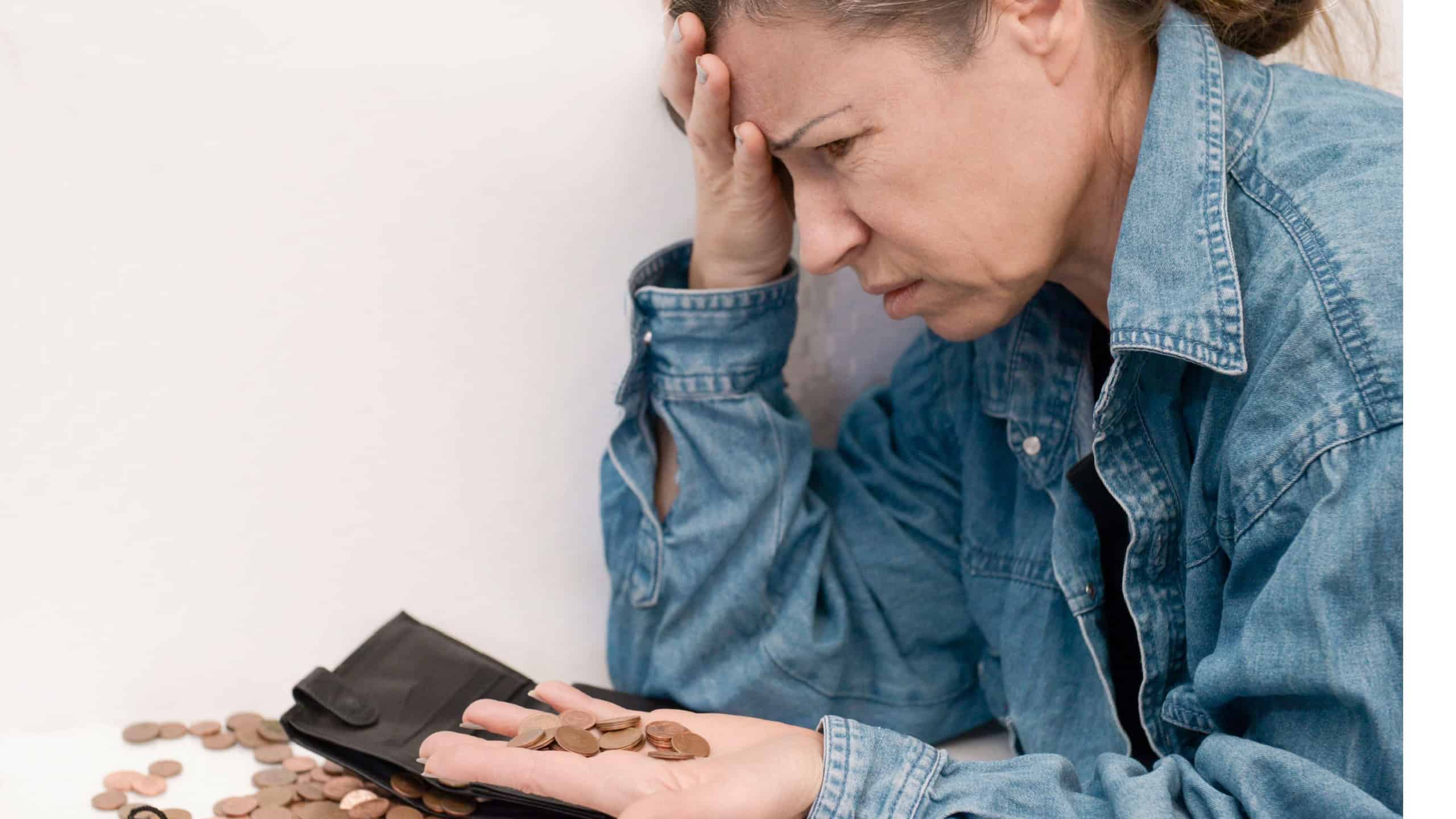
Growing up with very little often leaves behind lifelong habits that have nothing to do with how much money someone has today.

Ten habits that give away someone grew up in a poor household